
5215
 Lucas CasasolaBearish
Pocket broker pakistan access and local regulatory approval are two different questions. This guide covers how to register, what to check before deposits and withdrawals, and how to think about local regulatory status.
 Lucas CasasolaBearish
A consolidated tape gathers trade and quote data from many trading venues into one feed. This guide explains what it includes, how SIPs and CTPs differ and where its limits lie.
 Lucas CasasolaBearish
Inflation in Egypt affects what the pound buys at home and how markets read the central bank. This guide explains CPI, headline and core inflation, the main price drivers and why inflation does not always weaken the pound.
 Olivia ÁlvarezBearish
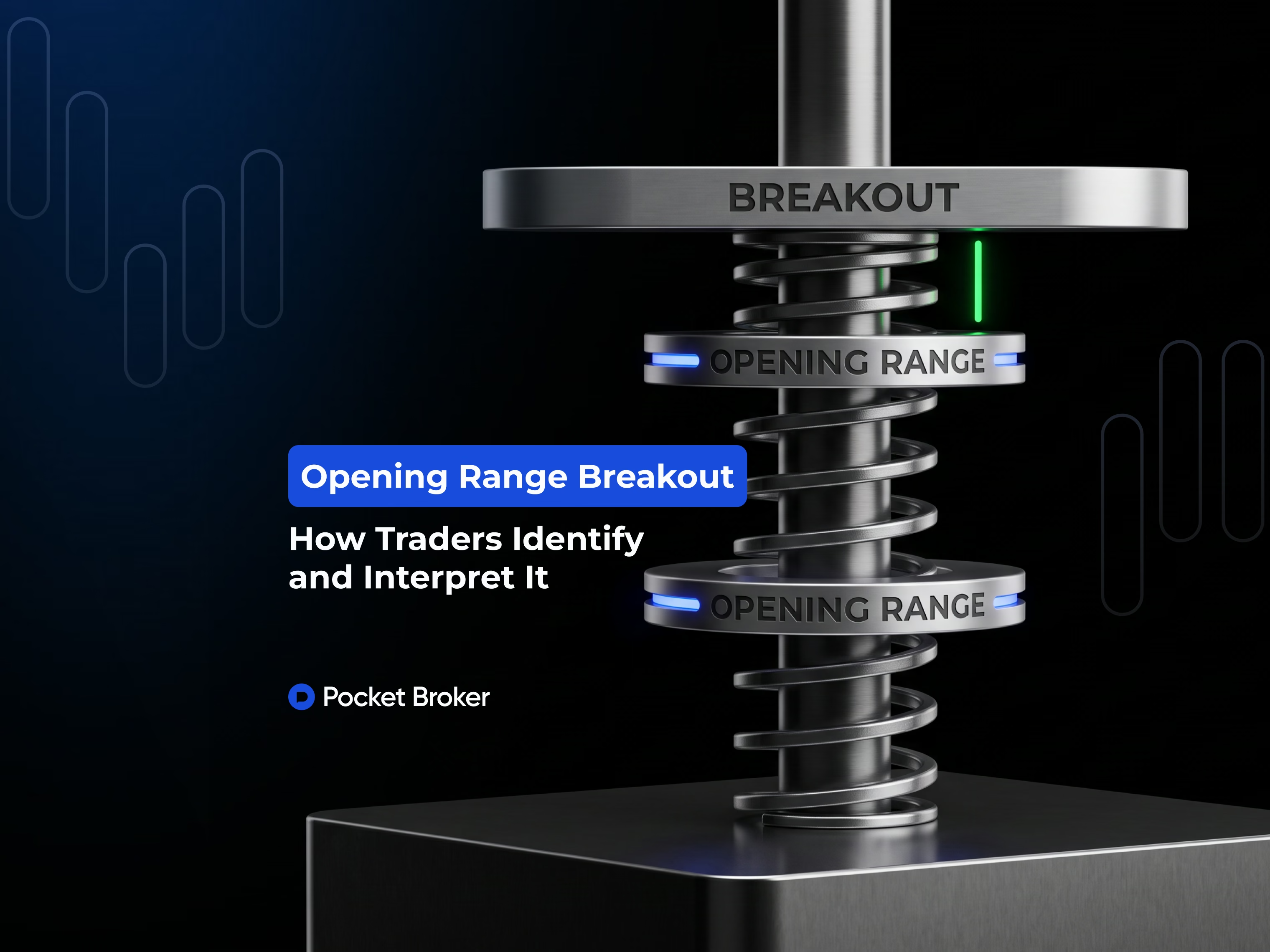
An opening range breakout happens when price leaves the high or low of the first minutes of a session. This guide explains how the range is defined, how breakouts are confirmed and why they can fail.
 Lucas CasasolaBearish
Net debt shows what a company owes after counting its cash. This guide covers the formula, what counts as debt and cash, how it differs from gross debt and how to read changes in financial reports.
 Lucas CasasolaBearish
A lock-up keeps some post-IPO shares off the market for a set time. This guide explains who it restricts, how long it can last and why its expiration can change trading activity without guaranteeing a price move.
 Lucas CasasolaBearish
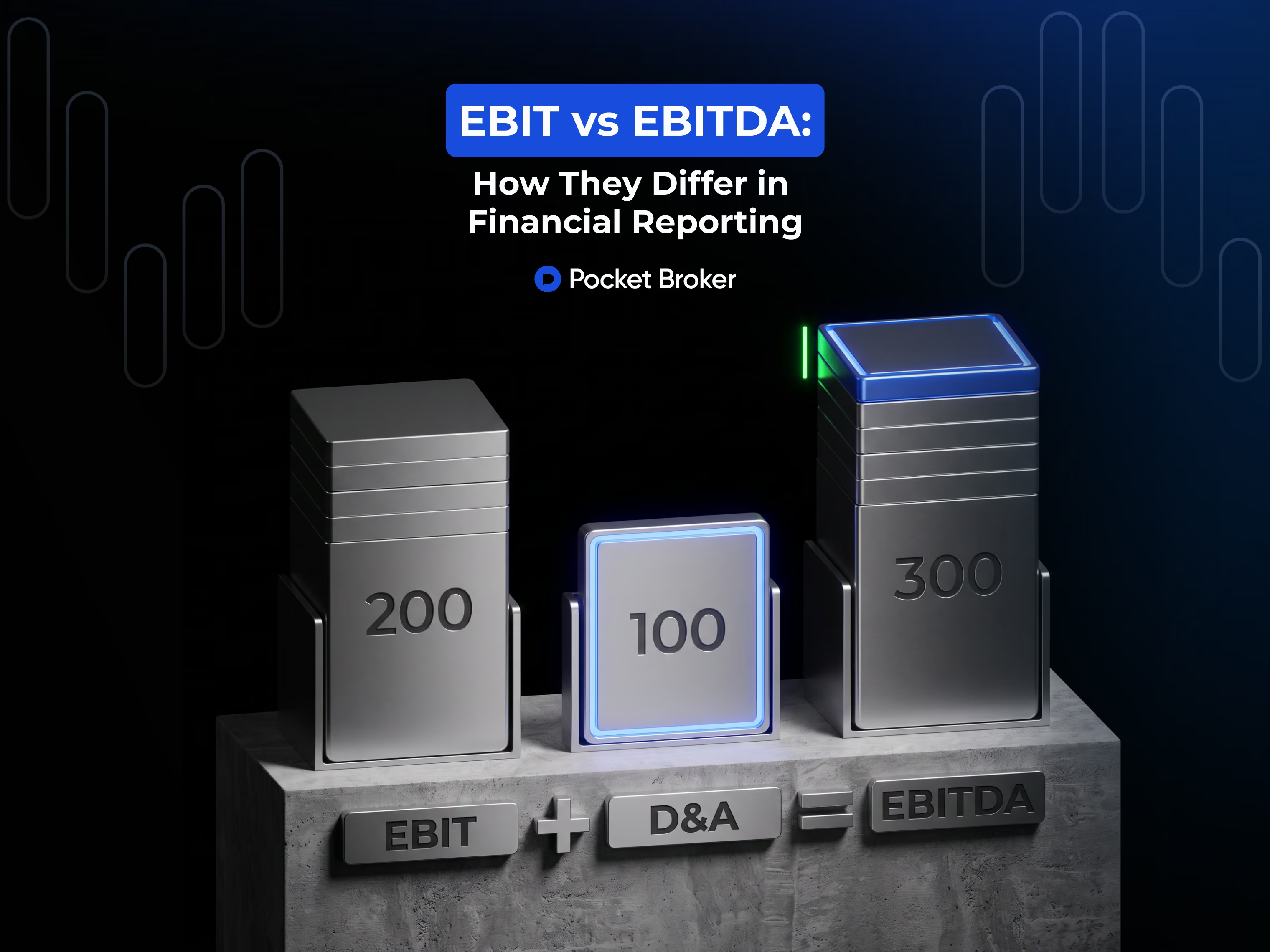
EBIT and EBITDA often sit side by side in earnings reports but answer slightly different questions. This guide explains how each is calculated, what depreciation and amortization change and why the two numbers differ.

 Georgino MansellBearish
Gold can move sharply even though it has a defensive reputation. This guide explains what gold volatility means, which factors drive price swings and how to read the numbers without treating them as a trade instruction.
 Georgino MansellBearish
Settlement price is the official price an exchange sets to settle derivative contracts. This guide explains how it is determined, how it differs from closing and last price and what daily and final settlement mean.
 Georgino MansellBearish
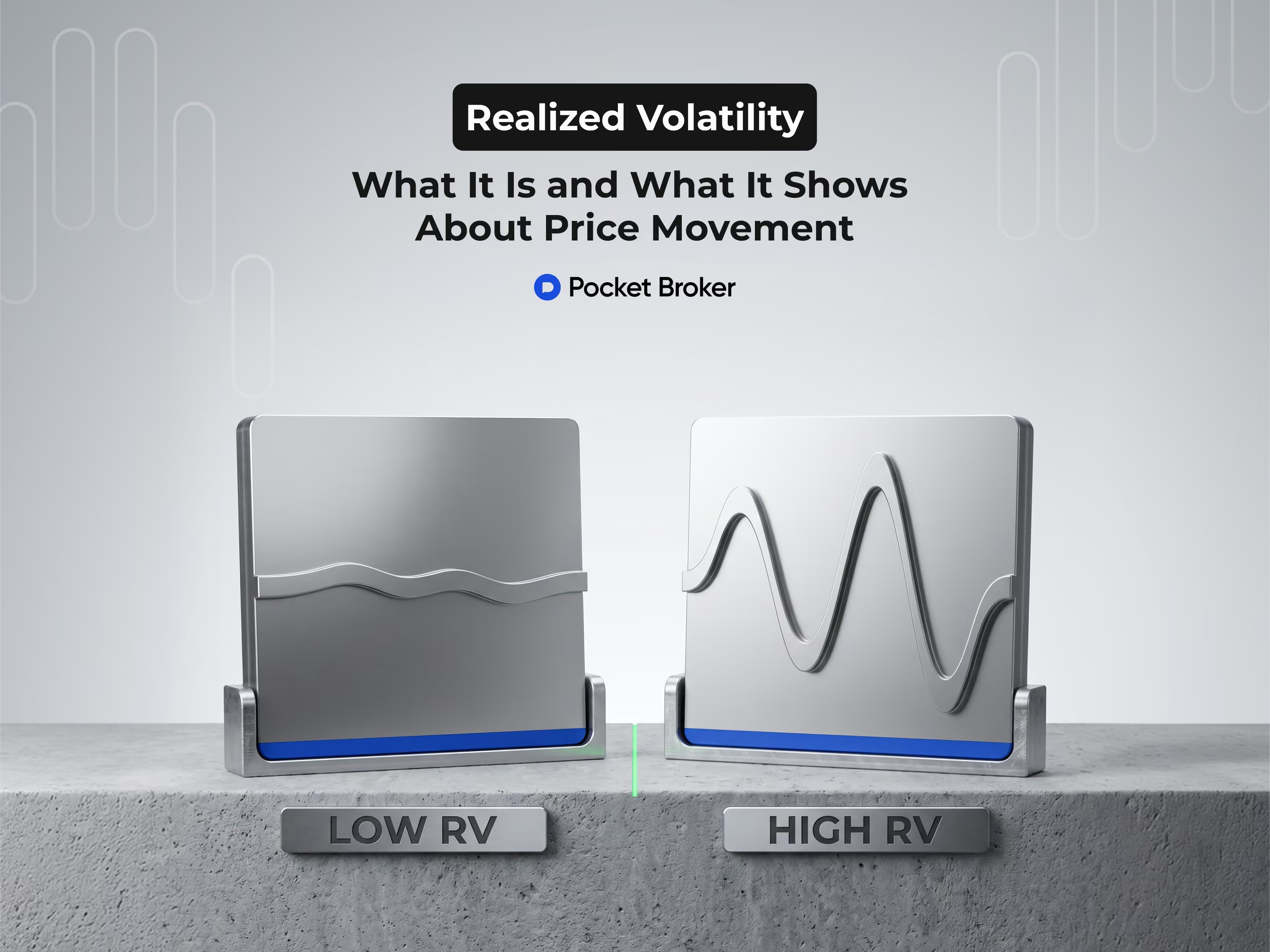
Realized volatility measures how much price actually moved over a period that has already ended. This guide explains how it is calculated, what high and low readings show and how it differs from implied volatility.
 Olivia ÁlvarezBearish
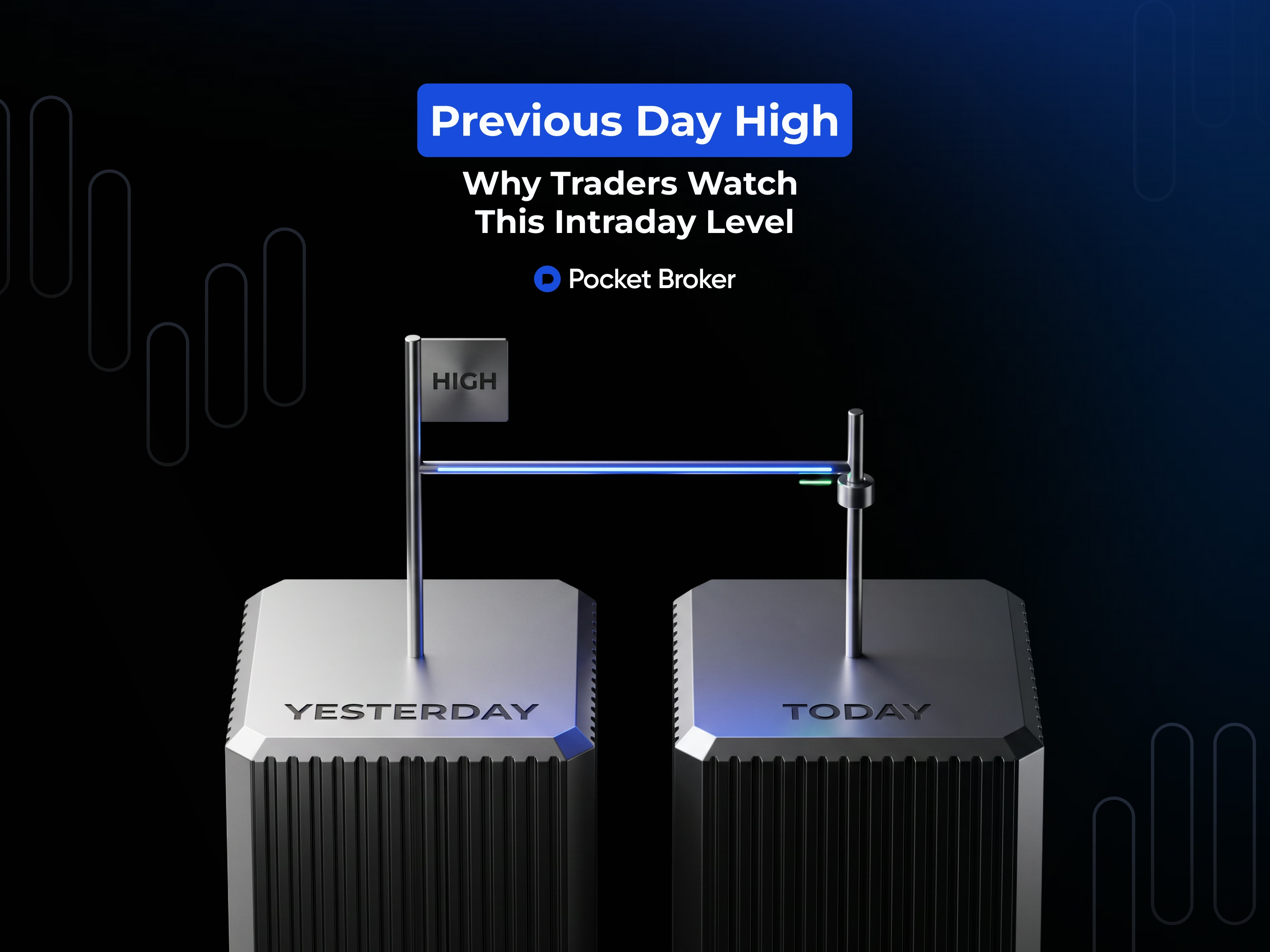
Previous day high is the top price an instrument reached in the last completed session. This guide explains why traders watch it as an intraday reference level, how to mark it and what price may do when it approaches the level.
 Georgino MansellBearish
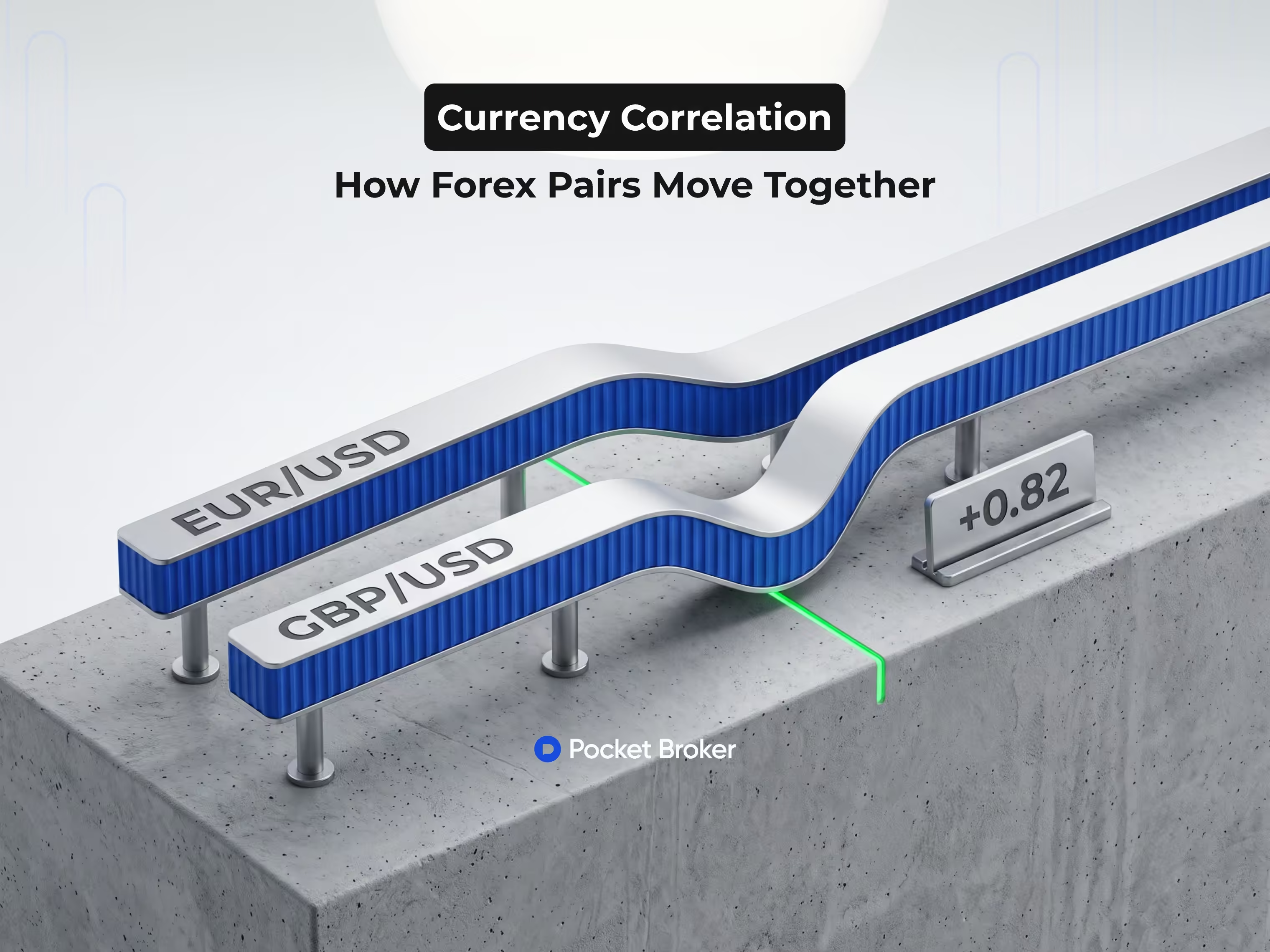
Currency correlation shows how closely two forex pairs have moved together over a chosen period. This guide explains positive, negative and weak correlation, how to read the values and why the relationship changes over time.
 Alan ZaynBearish
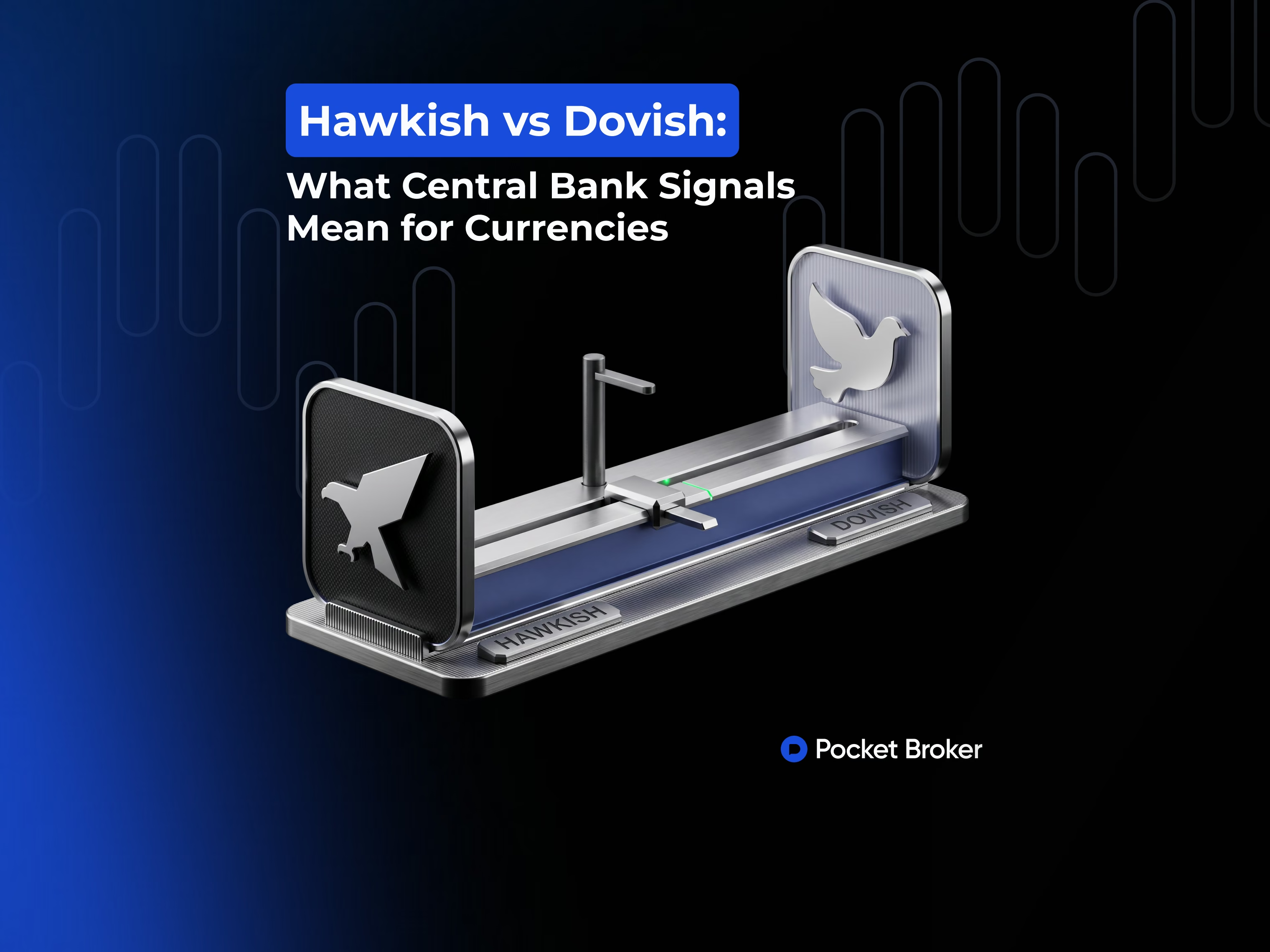
Hawkish vs dovish describes the direction a central bank's tone leans, from more concerned about inflation to more focused on supporting growth. This guide explains what each stance means, why reactions aren't guaranteed, how currencies typically respond, and what to watch after a central bank decision.
 Lucas CasasolaBearish
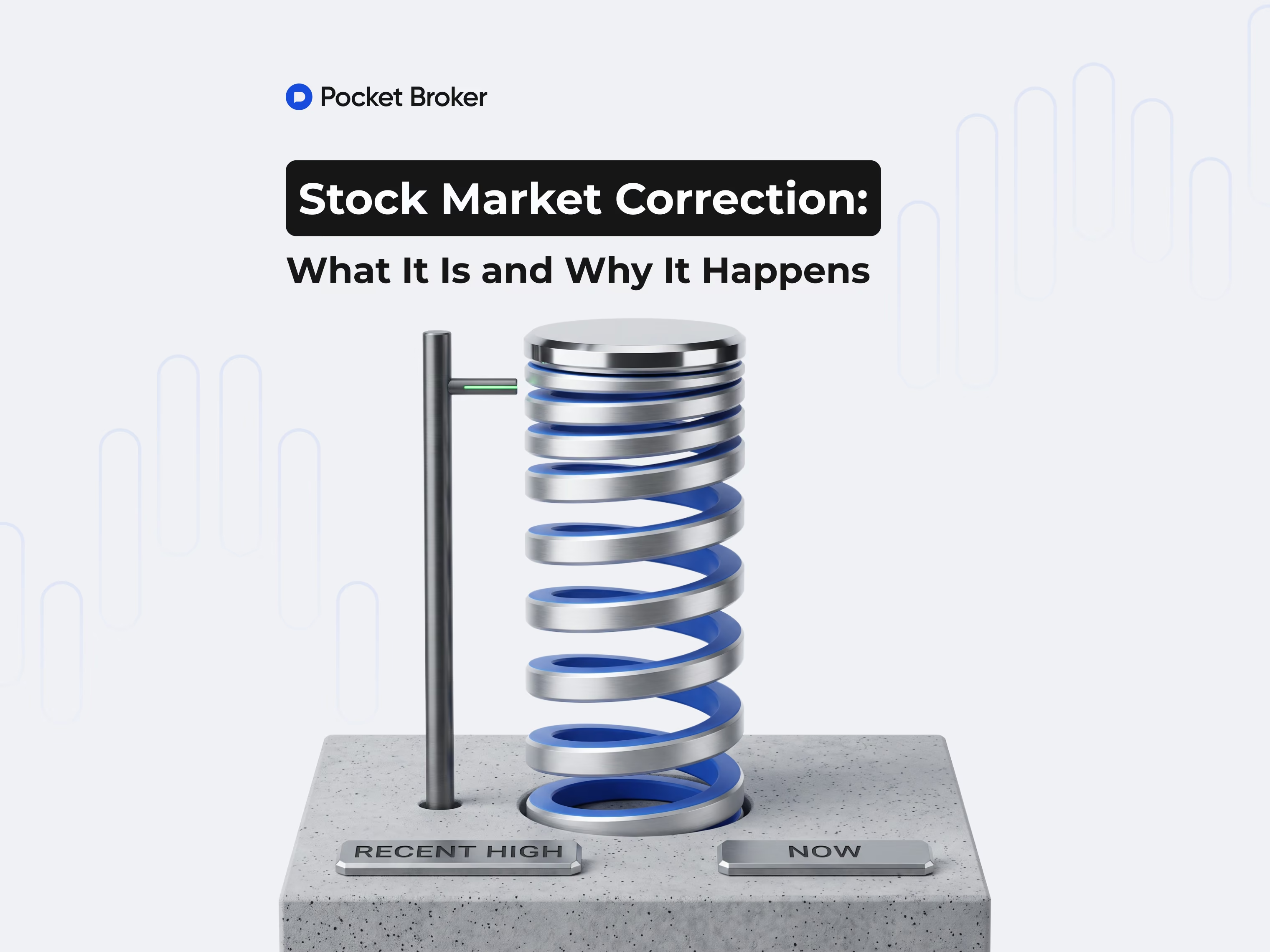
A stock market correction is typically a decline of around 10% from a recent high. This guide explains what a correction is, why they happen, how they differ from a bear market, and what traders should pay attention to when one is underway.
 Lucas CasasolaBearish
Stock prices move because buyers and sellers keep placing orders, not because of any single fixed cause. This guide covers what determines stock price, the key factors behind price changes, and why the reasons behind a move aren't always obvious.