مدونة مع Regulation & Safety
 Alan Zaynهابط
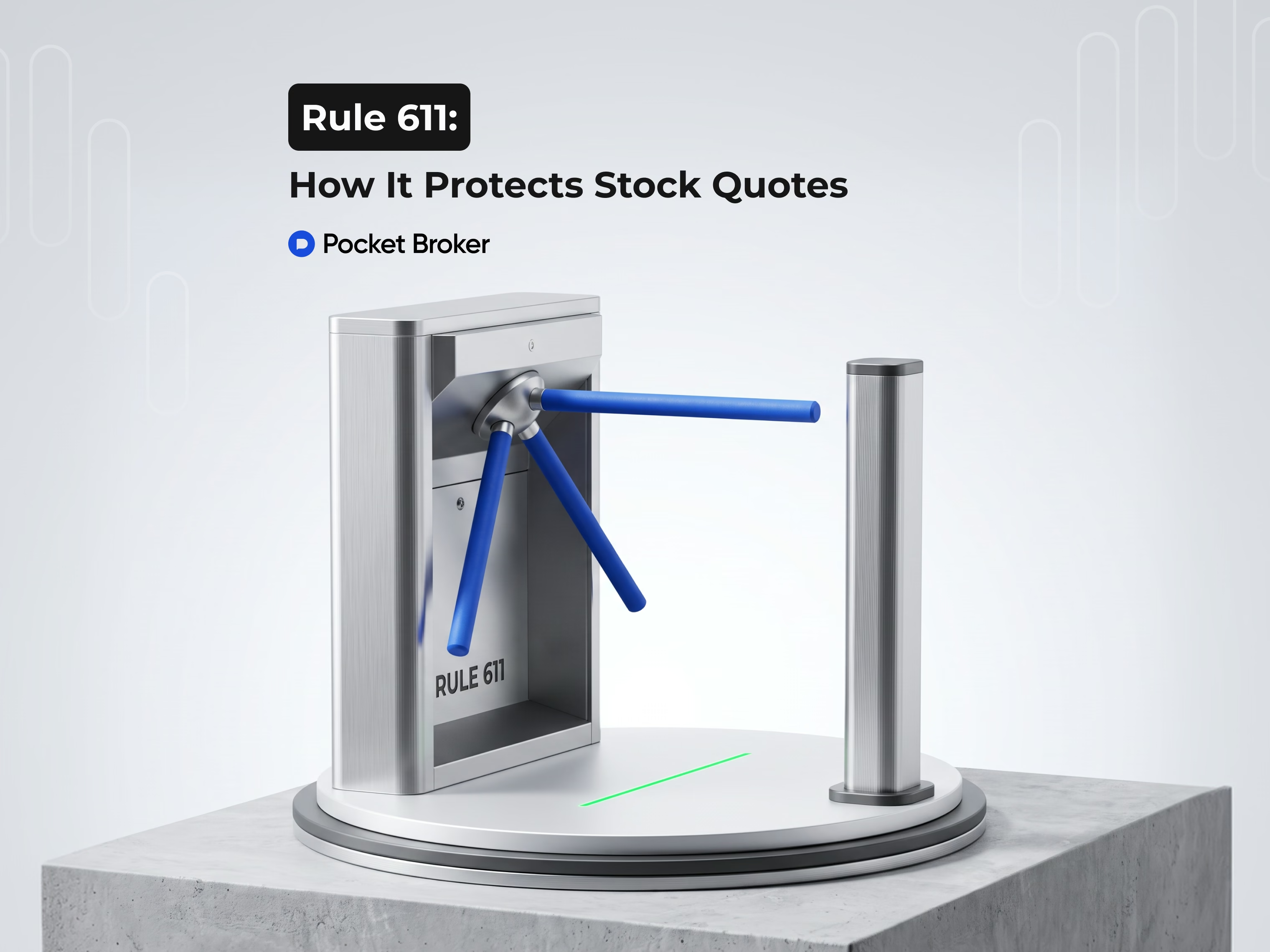
How Rule 611 Protects Stock Quotes Across Trading Venues
The order protection rule, or Rule 611, discourages trades at prices worse than certain better quotes displayed on other US venues. This guide explains protected quotes, NBBO and what the rule cannot guarantee.
 Alan Zaynهابط
How Regulation NMS Affects Stock Prices and Order Execution
Regulation NMS is a set of SEC rules that governs parts of US stock trading. This guide explains NBBO, the Order Protection Rule, Rules 605, 606 and 612, and what the rules do not guarantee.
 Alan Zaynهابط
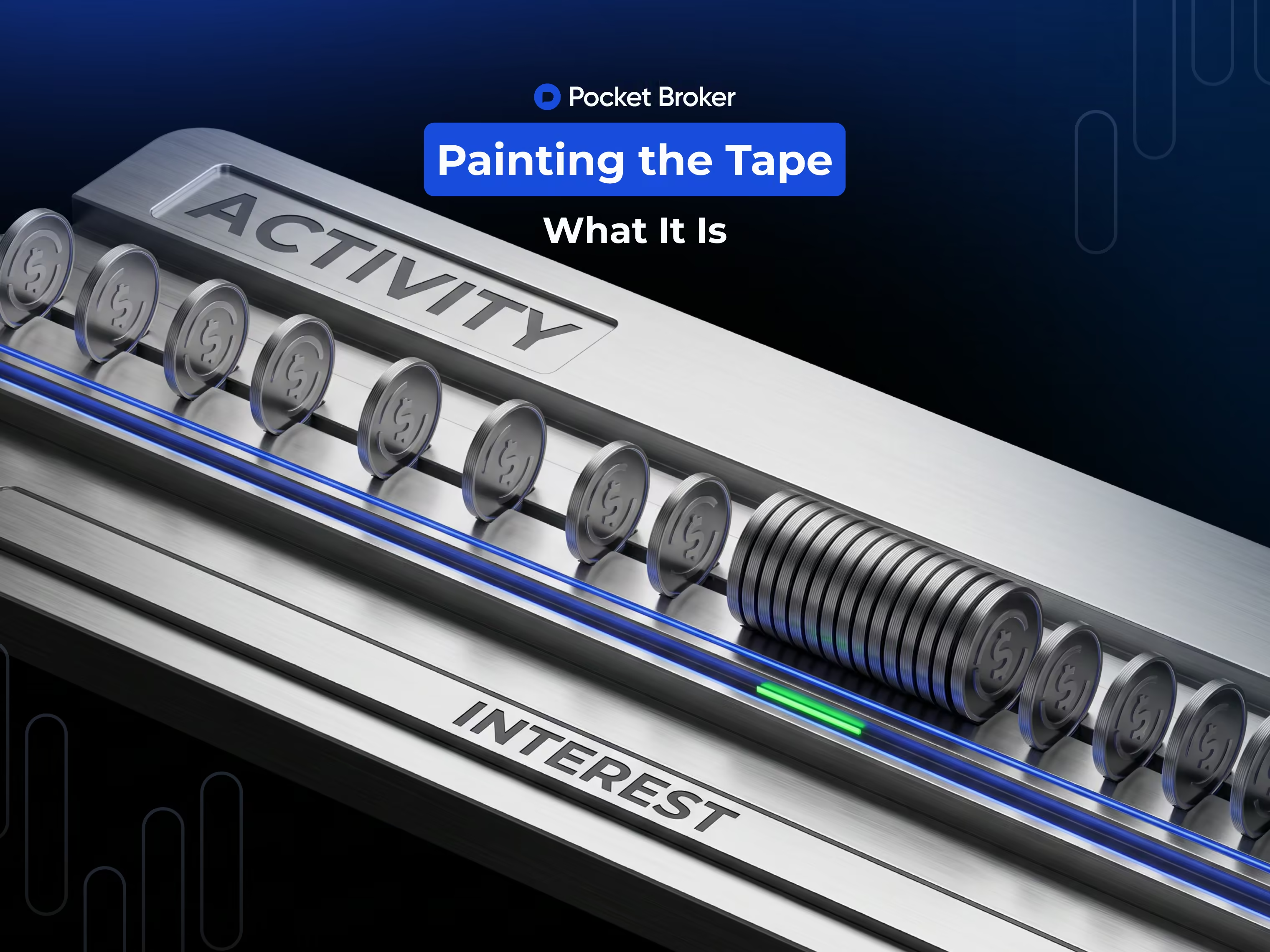
Painting the Tape: What It Is and Why It Is Market Manipulation
Painting the tape is a form of market manipulation that creates a false impression of demand, supply or interest in an asset. This guide explains how artificial activity differs from normal trading, why volume can mislead and how regulators look at it.
 Alan Zaynهابط
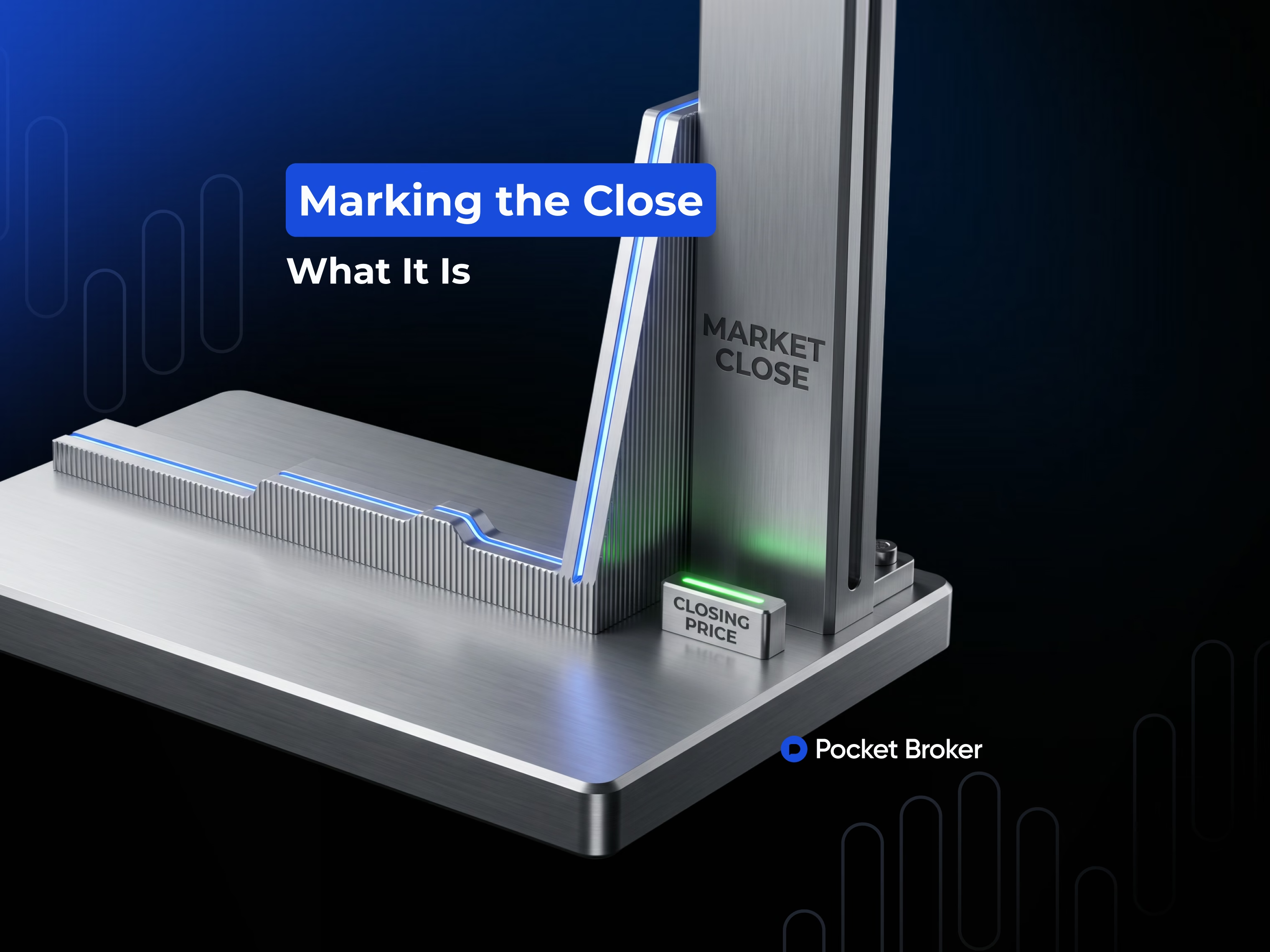
Marking the Close: What It Is and Why It Is Market Manipulation
Marking the close is an attempt to move the closing price right before the session ends. This guide explains why the closing price matters, how it differs from legitimate trading at the close and why regulators treat it as market manipulation.
 Alan Zaynهابط
Identity Theft: What It Is and How to Protect Your Personal Information
Identity theft means someone else is using your personal information without your permission, often to open accounts or access services under your name. This guide covers how it happens, warning signs, what to do if it happens, and how to reduce the risk.
 Alan Zaynهابط
KYC Meaning vs AML: Key Differences and Why Financial Platforms Use Them
KYC confirms who a customer actually is, while AML covers the broader, ongoing system for detecting and preventing money laundering. This guide covers how each process works, the key differences, and why financial platforms use them.
 Alan Zaynهابط
Account Takeover: Warning Signs and How to Protect Your Account
Account takeover means someone else is operating your account using your credentials. This guide covers how it happens, the warning signs to watch for, what to do if you suspect it, and how to reduce the risk.
 Alan Zaynهابط
Two-Factor Authentication (2FA): How It Works and Protects Your Account
2FA confirms your identity using two different types of proof instead of just a password. This guide covers how it works, the three authentication factors, common methods, and their limits.
 Alan Zaynهابط
Phishing Email Scams: How to Recognize Fake Emails and Websites
A phishing email tries to trick you into handing over a login, password, or payment details by posing as a trusted service. This guide covers the red flags, fake websites, and what to do if you click a bad link.