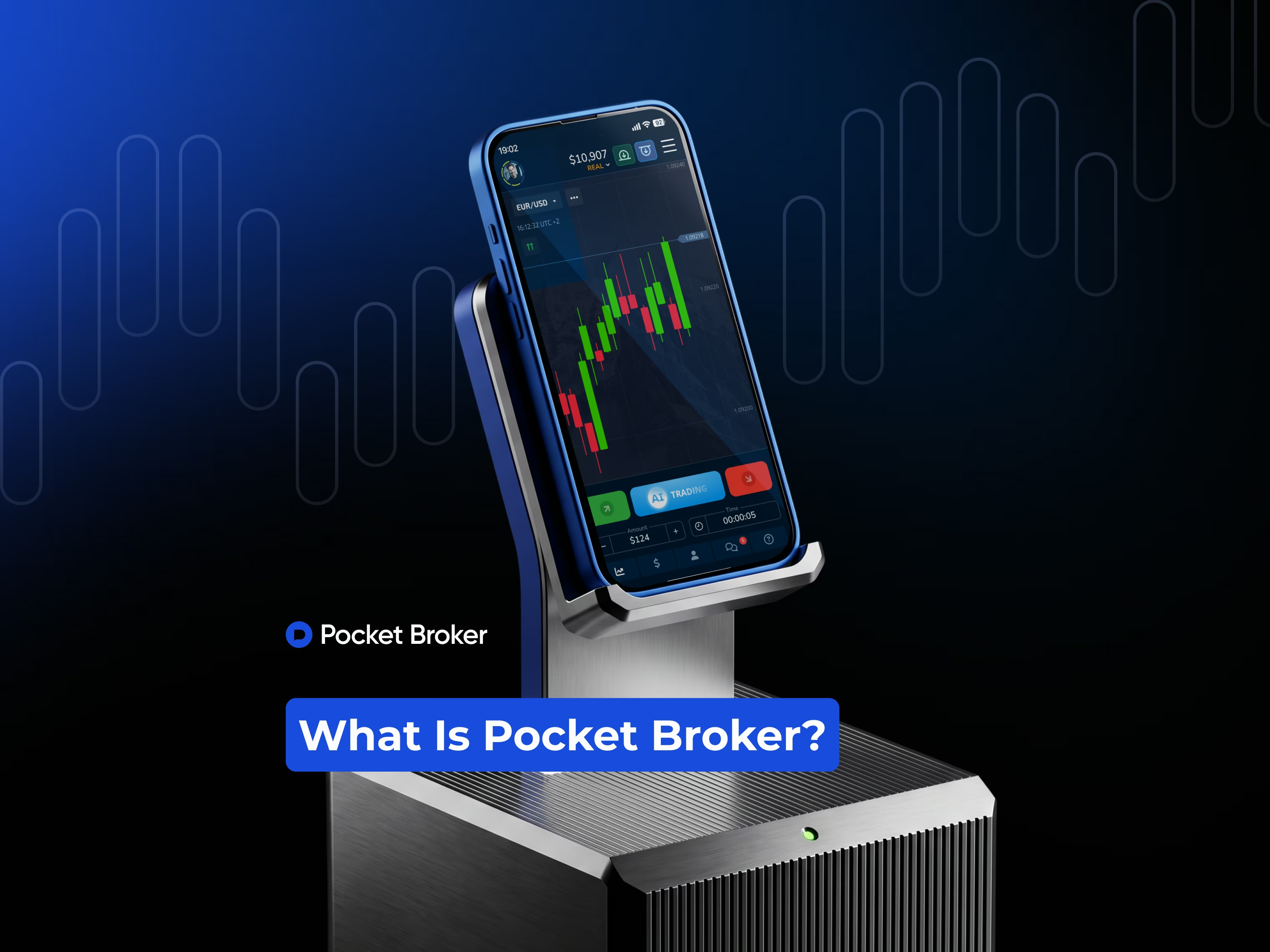
What Is Pocket Broker and How Does It Work?
Pocket Broker is an online trading platform offering demo and real trading modes through the same interface and mechanics. This guide covers how it works, how to get started, its main features, and what to check before you trade.
What Is Pocket Broker?
Answering what is pocket broker starts simply: it's an online trading platform. Once you're signed in, you get access to a trading interface, a range of tradeable assets, live charts, and the tools needed to open a trade.
Understanding what is pocket broker also means understanding that it offers two distinct modes to work in: a demo mode using virtual funds, and a real mode using actual money. Both run on the same underlying interface and mechanics, just with a different kind of balance behind them.
Beyond the basic access, what is pocket broker really comes down to, at its core, is a specific interaction: picking an asset, forming a view on where its price is headed, and acting on that view within a structured interface designed for that purpose.
Create an account and explore the interface, demo funds included.
Go to Pocket BrokerNot sure where to actually see this interface for yourself? Reading a description only goes so far. Looking at the real interface shows how the pieces fit together faster than any explanation can.
Create a Pocket Broker account and the interface itself becomes the clearest explanation.
How Does Pocket Broker Work?
The basic mechanics behind how pocket broker works follow a consistent sequence, without requiring much background knowledge going in.
Step | What You Do | What Happens |
|---|---|---|
Choose an asset | Pick from the available tradeable assets | The relevant chart and current price load |
Watch the chart | Review recent price movement | You build a view on where price might go next |
Set trade amount | Enter how much you want to commit | That amount becomes the basis for the trade |
Check potential result | Review the trade's parameters before confirming | You see the terms in advance, before committing anything |
Open the trade | Confirm and submit | The trade becomes active |
Wait for the result | The trade runs its course | The outcome depends on where price actually moved |
Getting a feel for that sequence firsthand tends to make more sense than reading about it in the abstract. Try Pocket Broker demo to walk through each step yourself, with nothing real on the line.
Choosing an Asset and Trade Direction
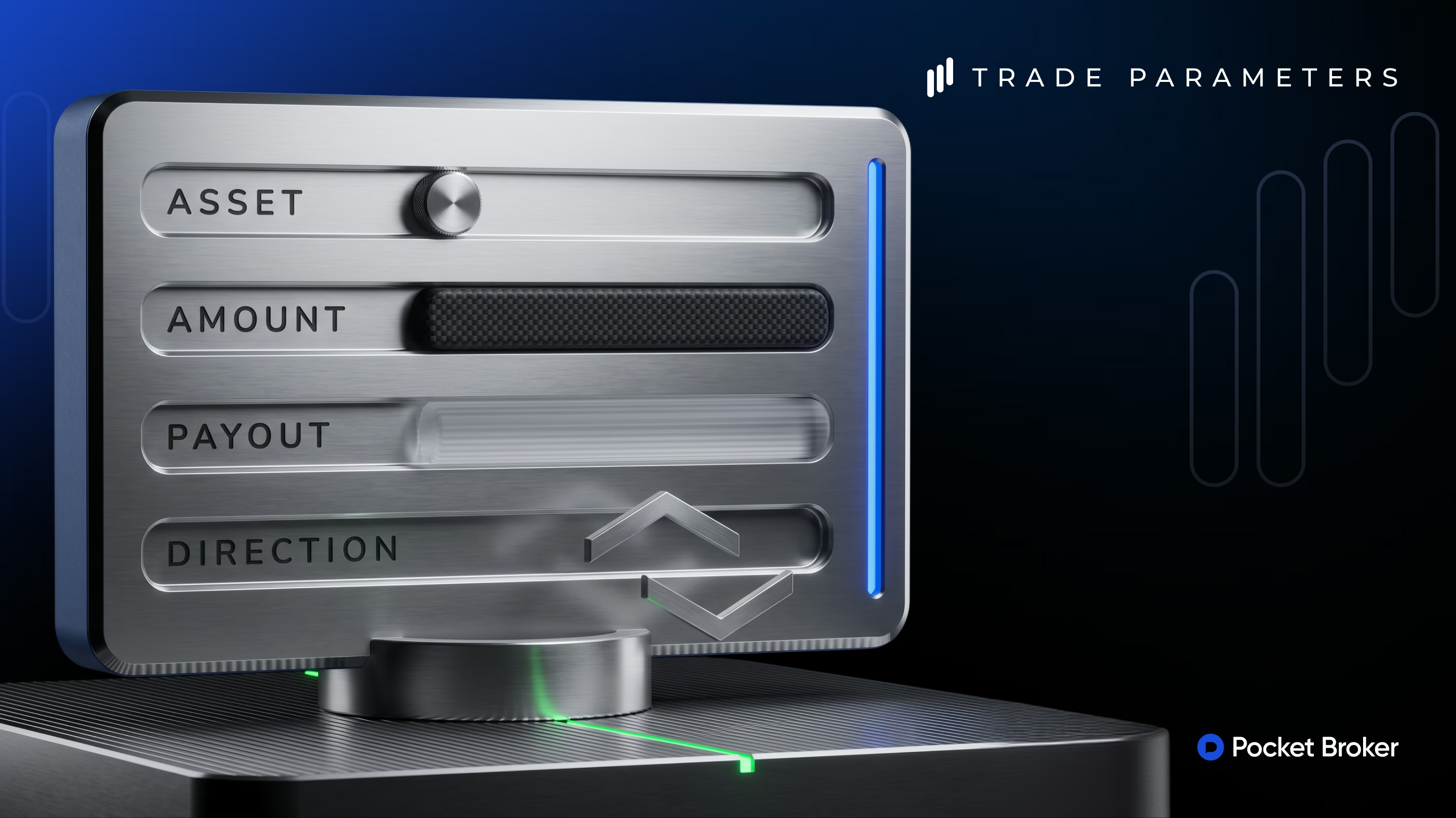
A closer look at how does pocket broker work starts with two choices made up front: which asset to trade, and which direction you expect its price to move, up or down. That direction call is your own forecast. It isn't a signal or a guarantee coming from the platform itself. The platform's own quick-start materials frame this the same way: pick an asset, watch the chart, and decide where price is headed.
Trade Amount, Potential Return, and Result
Before actually opening a trade, you set the amount and see the trade's terms laid out in the interface ahead of time; nothing about pocket broker how it works involves committing funds blind. Once the trade closes, the actual result depends on how price moved relative to the direction you picked. That's genuinely how the outcome gets decided, not by any promise the platform makes in advance.
Demo and Real Trading
Demo mode runs on virtual funds specifically for getting familiar with the interface and the mechanics, without putting any of your own money on the line. Official materials currently point to a $50,000 demo balance to practice with, reloadable when you want a fresh start.
Real trading uses actual funds instead, and the two shouldn't get confused. Performing well in demo mode doesn't guarantee a similar result once real money enters the picture. Market conditions, and the psychology of trading with money that actually matters, both shift once funds are real rather than virtual.
How to Start Using Pocket Broker
Getting started follows a fairly straightforward sequence: open the site, create an account, spend some time with the interface, start on demo first if you're new to any of this, check the account requirements that apply, and only then move into operations involving real funds. None of this needs to happen all at once.
Registration and Account Verification
Registration calls for real identity and contact details, not placeholder information. Per the official Payment Policy, web registration comes paired with identity verification, and that process requires an identity document as part of confirming who you are. Additional documents can get requested too, depending on the specific situation, though that's not something every single user should expect to go through as a matter of course.
Main Pocket Broker Features
A handful of tools on the platform, confirmed on the official site at the time of writing, are worth knowing about going in:
Demo account: Practice mode running on virtual funds, useful for learning the mechanics before any real money gets involved.
AI Trading: AI-assisted analysis built into the platform meant to support trading decisions, not replace your own judgment.
Social Trading: A way to follow and sync with other traders' strategies within the platform.
Market insights: Real-time information about where the market currently stands, built into the interface.
None of these tools change the basic mechanics underneath, or guarantee a specific outcome once you're actually trading. They're features that support the process, not shortcuts around the judgment calls a trade still requires.
What to Know Before You Trade
Before jumping into real funds, a short practical checklist helps: review the platform's Terms, confirm you actually meet the eligibility requirements, check which instruments are genuinely available to you, look over your account settings, and read through the risk disclosures. If you're new to any of this, working through the mechanics on demo first, before real money enters the picture, is worth the extra time.
Risk Disclaimer: Trading involves significant risk of capital loss. This article is for educational purposes only and does not constitute financial advice. Always conduct independent research and consider your risk tolerance before making any trading decisions.
See more:Guides