Pocket Broker India: Availability, Regulation and What to Know
Pocket broker india access and local regulatory authorization are two different questions, and this guide explains why. It covers how RBI and SEBI rules apply, what to check before opening an account, and funding considerations.

Is Pocket Broker Available in India?
Searching for pocket broker India usually starts with a simple question: can you actually access the platform from India? As of this writing, India isn't listed among the countries where Pocket Broker's published terms restrict access. Reaching the site and opening an account is one thing. Whether a platform holds specific regulatory authorization for Indian residents is a separate question, covered next.
Terms and eligibility conditions shift over time on any platform, Pocket Broker included, so checking pocket broker India terms directly, right when you actually need them, carries more weight than relying on something read weeks or months earlier.
Seeing what pocket broker India access actually looks like firsthand, rather than reading about it secondhand, is one direct way to check those current terms yourself.
Create an account and review the terms and conditions that currently apply to you.
Go to Pocket BrokerNot sure where to actually check this for yourself? Reading a summary only goes so far. Looking at the current terms and interface directly shows what actually applies right now.
The Pocket Broker quick start guide walks through exactly where this shows up once you're signed in.
Is Pocket Broker Legal in India?
Answering is pocket broker legal in India with a flat yes or no would overstate what's actually knowable here. Nothing short of a direct statement from a competent Indian regulator about Pocket Broker specifically could settle that question with certainty, and no such statement is being cited here.
What's clearer is the general regulatory framework. The RBI's rules allow Indian residents to carry out forex transactions only through authorised persons, and only for permitted purposes. Electronic forex transactions specifically are expected to run through RBI-authorised Electronic Trading Platforms or recognised stock exchanges, under the applicable rules for that channel. Checking the specifics directly before creating a Pocket Broker account beats assuming either way.
One thing worth being precise about: a platform's absence from the RBI's published Alert List doesn't amount to confirmation that it's authorized. The Alert List flags specific entities RBI has already called out. Not appearing on it just means it hasn't been flagged there, nothing more.
How RBI and SEBI Rules Fit Together
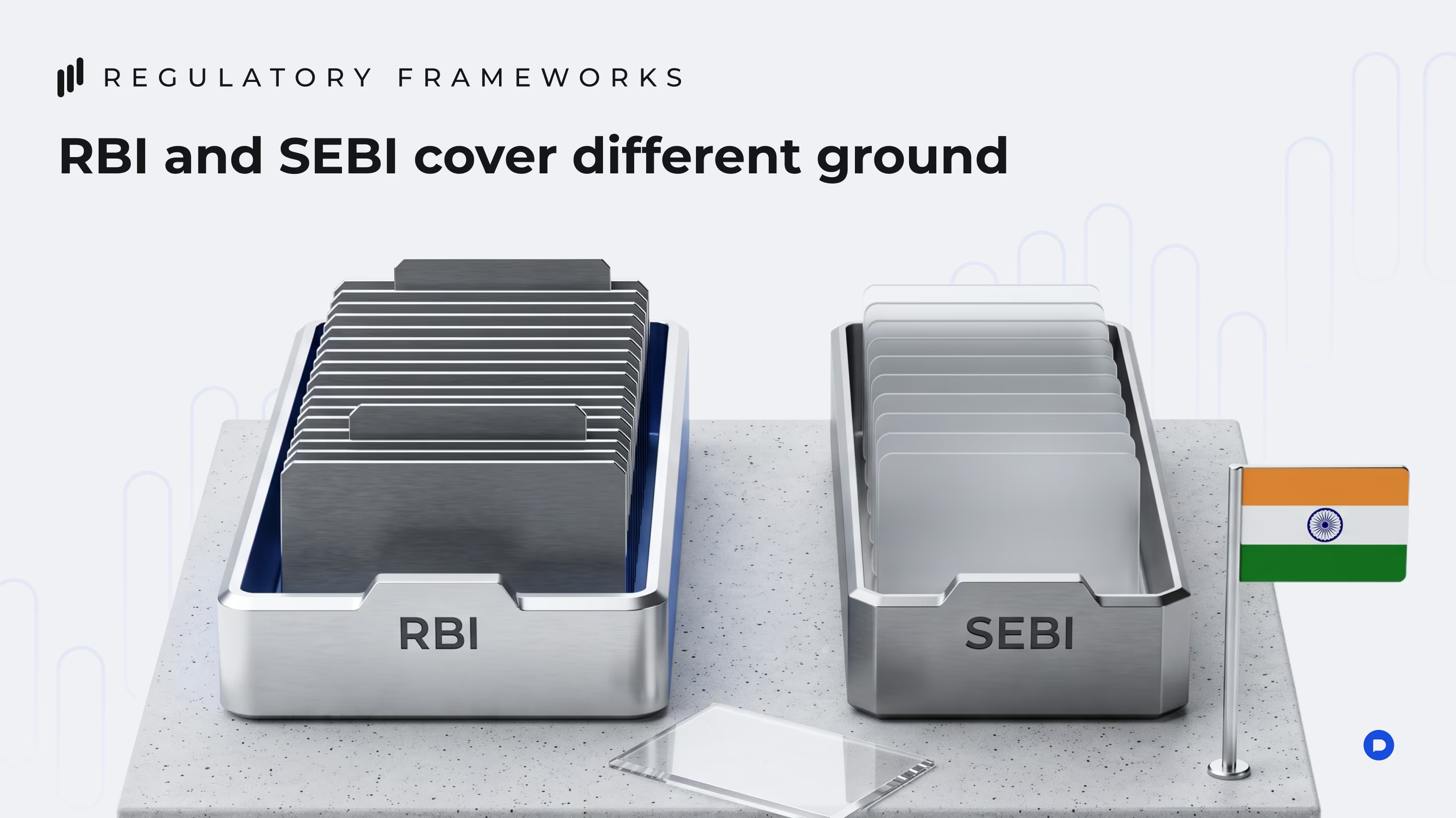
Two different regulators cover different ground here. RBI oversees foreign exchange transactions and the ETPs authorised to handle them. SEBI, separately, oversees the securities market and registered intermediaries, including stock brokers operating in the Currency Derivative Segment on recognised exchanges. No single Pocket Broker product automatically falls under just one of these by default. Where currency derivatives on a recognised exchange are involved specifically, SEBI keeps its own separate registry of brokers registered for that segment. Getting at is pocket broker legit in India genuinely means checking which of these frameworks, if any, actually applies to the specific product in question, rather than assuming one regulator covers everything.
What Indian Traders Should Check Before Opening an Account
A practical sequence for checking any platform before signing up, Pocket Broker included, covers a handful of specifics:
The exact legal entity name behind the platform, not just the brand name
Regulator and authorization status for that specific legal entity
The type of financial products actually being offered
Eligibility conditions that apply to Indian residents specifically
Payment conditions, including deposit and withdrawal rules
Risk disclosures published directly by the platform
Checking this against official documents and regulator registers carries more weight than relying on marketing materials or user reviews alone. Legit, regulated, and authorized in India aren't interchangeable terms, either. A foreign registration, a working website, or a published set of policies don't, by themselves, confirm local authorization.
How to Check Whether a Platform Is Authorized
RBI publishes lists of authorised persons, authorised ETPs, and its Alert List. SEBI, separately, maintains registers of its registered intermediaries.
What to Check | Where to Check | Why It Matters |
|---|---|---|
Legal entity name | Platform's own Terms and disclosures | Confirms exactly which company you're dealing with |
RBI authorization / Alert List | RBI's published lists | Shows current RBI-side status, though absence from the Alert List isn't authorization |
SEBI registration (if relevant) | SEBI's intermediary registers | Applies specifically to registered stock brokers in the Currency Derivative Segment |
Platform Terms | Official platform documentation | Defines eligibility, products, and conditions that actually apply |
Risk disclosures | Official platform documentation | Sets out the risks the platform itself acknowledges |
RBI itself is explicit on one point: not appearing on the Alert List is not the same thing as being authorized.
Funding an Overseas Trading Account from India
This is genuinely a payment and regulatory question, not a topic for workarounds, and none are offered here. RBI has separately warned against sending or depositing funds for forex transactions that aren't authorised, and its own guidance notes that remittances for margin to overseas exchanges or overseas counterparties aren't permitted under the Liberalised Remittance Scheme.
That doesn't mean every international transfer to a trading platform automatically breaks the law. What actually matters is the purpose behind the transfer, the specific product involved, and whether the receiving party is authorised for that purpose. Those specifics determine the answer, not the mere fact that money crossed a border.
Before You Use Pocket Broker in India
Before committing real funds, a final check is worth running through: the platform's current regulatory status, whether you actually meet its eligibility conditions, its Terms, which specific products are genuinely available to you, and the funding rules that apply. A demo account offers a way to get familiar with the interface without putting real money in, though demo performance isn't a reliable indicator of what a real account would actually produce.
Risk Disclaimer: Trading involves significant risk of capital loss. This article is for educational purposes only and does not constitute financial, legal, or tax advice. Always conduct independent research and consider your risk tolerance before making any trading decisions.
See more:GEO Guides