Is Forex Trading Legal in Saudi Arabia? What Traders Should Know
Is forex trading legal in Saudi Arabia depends on the specific product and provider, not a single blanket rule. This guide explains how CMA and SAMA regulate different activities, and what to check before opening an account.

How Forex Trading Is Regulated in Saudi Arabia
The word "driving" covers riding a bicycle down a quiet street and operating a commercial truck across a border. Both involve moving a vehicle forward. The rules, licenses, and oversight attached to each look completely different. Something similar applies to the question of is forex trading legal in Saudi Arabia: the word "forex" covers more than one kind of activity, and which rules apply depends on which specific activity is actually happening.
A flat yes or no answer to is forex trading legal in Saudi Arabia overstates what's actually knowable in general terms. Legal status depends on the specific financial product involved, the provider offering it, and whether that provider holds the right authorization for that specific activity, not on the general concept of currency trading by itself.
Regulated financial activities in Saudi Arabia require the corresponding authorization, and that authorization applies to specific companies for specific activities, not to an entire category of trading in a blanket way. Checking the specific company and the specific product being offered is genuinely part of answering is forex trading legal in Saudi Arabia for your own situation, rather than treating it as a question with one universal answer.
Create an account and review the terms and conditions that currently apply to you.
Go to Pocket BrokerCurious what this actually looks like once you're checking a specific platform's own terms? Reading general regulatory principles only goes so far. Reviewing a platform's own current terms and conditions directly shows what applies to that specific provider.
Create a Pocket Broker account and review its current terms directly as one example of what that checking process looks like in practice.
CMA and SAMA: Who Regulates What?
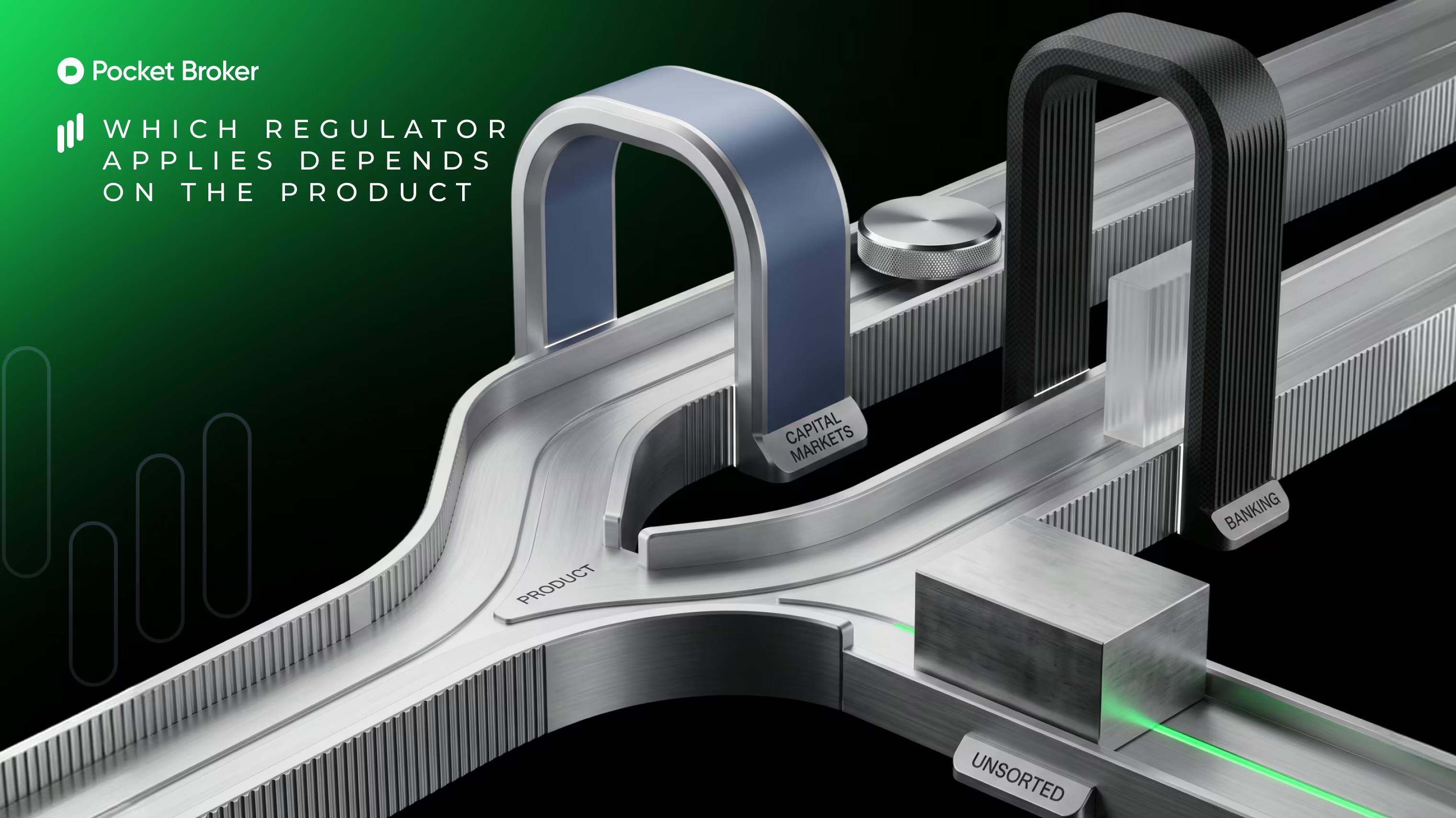
Two different regulators cover different ground when it comes to forex trading in Saudi Arabia. The Capital Market Authority, CMA, oversees Saudi Arabia's capital market and the institutions authorized to operate within it. SAMA, the Saudi Central Bank, oversees the banking sector along with money changing activity specifically, including licensing companies that buy, sell, and exchange foreign currencies.
SAMA's licensing of money changers covers straightforward currency exchange. It doesn't automatically extend to leveraged forex trading, since securities and related investment activities fall under CMA's regulatory scope specifically. No single forex broker automatically belongs to just one of these two regulators by default; which one actually applies depends on the specific activity and product involved. Checking both official registers directly, rather than assuming either one covers everything, is the reliable way to confirm forex trading in Saudi Arabia status for a specific provider.
Getting familiar with how a platform's interface and account structure actually work, through try Pocket Broker demo, is separate from confirming regulatory status, though both matter before committing real funds.
What Traders Should Check Before Opening an Account
Getting past the general question of is forex legal in Saudi Arabia and into practical territory means checking a specific set of things about any specific broker or platform:
The exact legal entity name behind the platform, not just the brand name
Regulator and license status for that specific legal entity
Whether the license actually covers the activity being offered, not just any license at all
Eligibility conditions that apply to Saudi residents specifically
Deposit and withdrawal conditions
Risk disclosures published directly by the platform
Checking a company directly in the official regulator register carries more weight than trusting a license number displayed on a broker's own website.
Local Authorization and Foreign Licenses
A company regulated in a different jurisdiction and a company authorized for that specific activity in Saudi Arabia are two different things. A foreign-regulated broker isn't automatically illegal, and it isn't automatically permitted for Saudi residents either. Checking local eligibility and the actual scope of a license separately from foreign registration matters here. Getting a clear read on forex trading legal in Saudi Arabia status for one specific provider means checking authorization at the local level directly, since CMA itself recommends dealing with organizations authorized for the specific regulated activity in question.
Leverage, CFDs, and Other Forex Products
The word "forex" can mean several different things depending on who's using it: straightforward spot currency exchange, leveraged forex exposure, CFDs, or other derivatives entirely. Regulatory treatment and risk profiles can differ meaningfully between these. Understanding forex Saudi Arabia questions properly means understanding which specific product a given broker is actually offering, then checking the regulatory status of that specific activity, rather than treating "forex" as one single thing covered by one single rule.
Why Broker Authorization Matters
Using an unauthorized platform carries real risks: no confirmed local regulatory oversight, genuine difficulty resolving complaints or disputes, misleading claims about licensing, and a meaningfully higher exposure to fraud. None of this means every foreign platform is fraudulent. It means authorization is worth confirming directly rather than assumed.
What to Check | Why It Matters | Official Source |
|---|---|---|
Legal entity name | Confirms exactly which company you're dealing with | Platform's own Terms and disclosures |
Regulator and license status | Shows whether local authorization actually exists | CMA and SAMA official registers |
Permitted activities under that license | Confirms the license actually covers what's being offered | CMA and SAMA official registers |
Regulator warnings or alerts | Flags entities regulators have already called out | CMA and SAMA public notices |
CMA itself directly recommends that investors confirm a financial organization's authorization before handing over any funds.
Before You Trade
Before committing real funds, a short final check is worth running through: current rules, the broker's actual authorization status, your own account eligibility, and the specific conditions attached to the exact product being offered. None of this replaces a qualified professional's advice for your specific situation, and none of it substitutes for checking official sources directly, since regulation and platform availability can both change, and the details here should be reverified before actually opening an account.
Risk Disclaimer: Trading involves significant risk of capital loss. This article is for educational purposes only and does not constitute financial or legal advice. Always conduct independent research and consider your risk tolerance before making any trading decisions.
See more:GEO Guides